





Your Practice Profit Engine: Work Less, Keep More, and Build a Legacy
Finally Take Control of Your Money, Your Time, and Your Future You’re working harder than ever, yet your take-home pay doesn’t reflect…
This Documentation Gap Analysis allows us to evaluate the significant components of your current Documentation program. It should take less than 5 minutes to complete.
Sometimes you need more than a self-service, on-demand program and need an expert to analyze your issues, train the corrections, and help you implement the changes, so they stick
This course explains the significant role chiropractic care can play in the sports industry and how a DC can succeed as a Sports Chiropractor. Start your steps to success here!
The most effective chiropractic OIG compliance programs are scaled according to the size of the practice!
Finally Take Control of Your Money, Your Time, and Your Future You’re working harder than ever, yet your take-home pay doesn’t reflect…
Get ready for ICD-10 annual code changes! In this HelpDesk video, Dr. Erin Stubblefield shares how chiropractors can prepare their teams, update software, and document accurately for a smooth transition and compliant billing.
Medicare open enrollment for chiropractors happens each fall, from mid-October through the end of December, and it’s your chance to review and update your status. Whether you’re switching from participating to non-participating or the other way around, it’s crucial to understand how each option affects your practice and your patients. In this HelpDesk episode, Rebecca explains what it means to be a participating or non-participating provider, how payments are handled, and why every chiropractor treating Medicare Part B patients must be enrolled.
Confused by talk of a “new HIPAA Security Rule”? You’re not alone. In this HelpDesk session, Jill from EasyTech Compliance joins KMC University to separate fact from fiction and walk you through what’s actually changing. Learn the difference between a proposed rule (NPRM) and a final rule, what’s currently required for breach notifications, and what your real responsibilities are when it comes to business associates. Get clarity on how to prepare for future changes without falling for misinformation, and find out where to go for the most accurate, up-to-date compliance resources.
E/M Coding for Chiropractors Made Simple: Pediatric Patients and Beyond Hot Topics from the KMC University HelpDesk If you choose an Evaluation and Management (E/M)…
Professional courtesy discounts can be a nice gesture—but without a written policy, they can create big compliance risks. In this HelpDesk video, Rebecca explains when these discounts are appropriate, who commonly qualifies, and why waiving co-pays or deductibles is never okay. Learn how to protect your practice with clear policies while still extending courtesy care where it makes sense.
Learn how compliance and accurate documentation can directly improve patient retention in your chiropractic practice. Build trust, engage patients, and protect your practice with these practical strategies.
Chiropractic compliance doesn’t have to be overwhelming. In this HelpDesk video, Kathy explains how HIPAA, OIG, and Medicare compliance programs can be scaled to fit any chiropractic office. Learn how to reduce risk, stay compliant, and protect your practice without the fear or confusion.
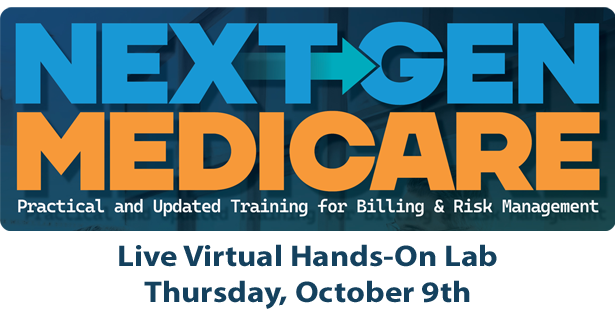
Stay ahead of audits and compliance risks with our Medicare chiropractic billing training on October 9. This live virtual hands-on lab will give you proven billing strategies, documentation tools, and real-time coaching from KMC University experts. Save $100 with Early Bird registration—limited seats available.
Overpayments happen in every chiropractic practice—but knowing exactly what to do with them can protect you from compliance trouble. In this HelpDesk video, we break down the 60-day overpayment rule, how to identify who the credit belongs to, and the right steps for returning funds to patients or insurance companies. Learn how to use patient credits as a recall opportunity, work with insurers on credit handling, and avoid costly mistakes that could put your practice at risk.